
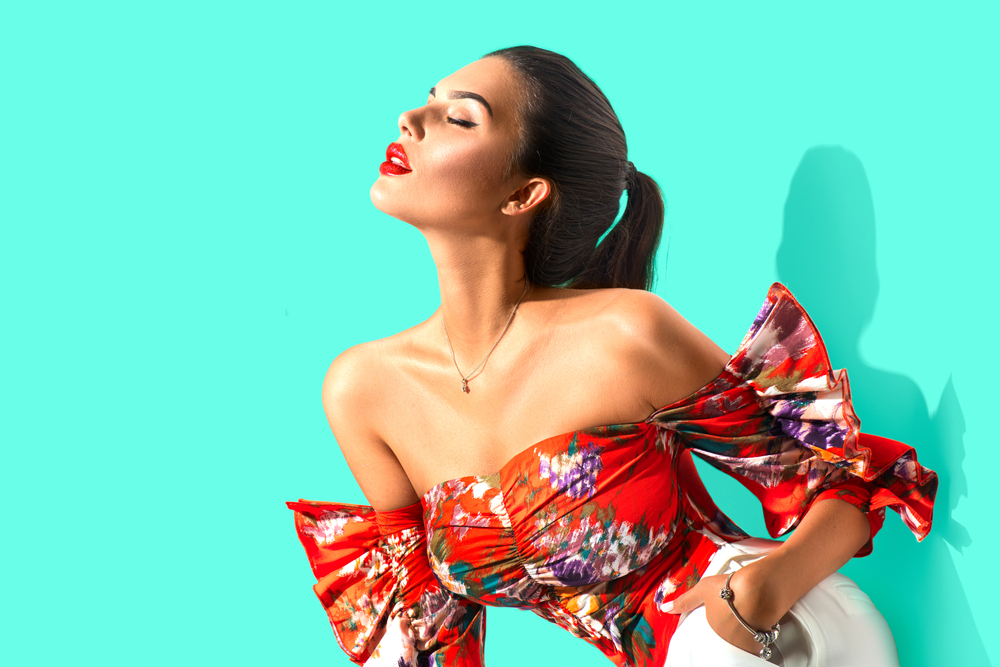
The Art and Science of Modeling: Unveiling the Secrets Behind the Glamorous World in Photoshoots
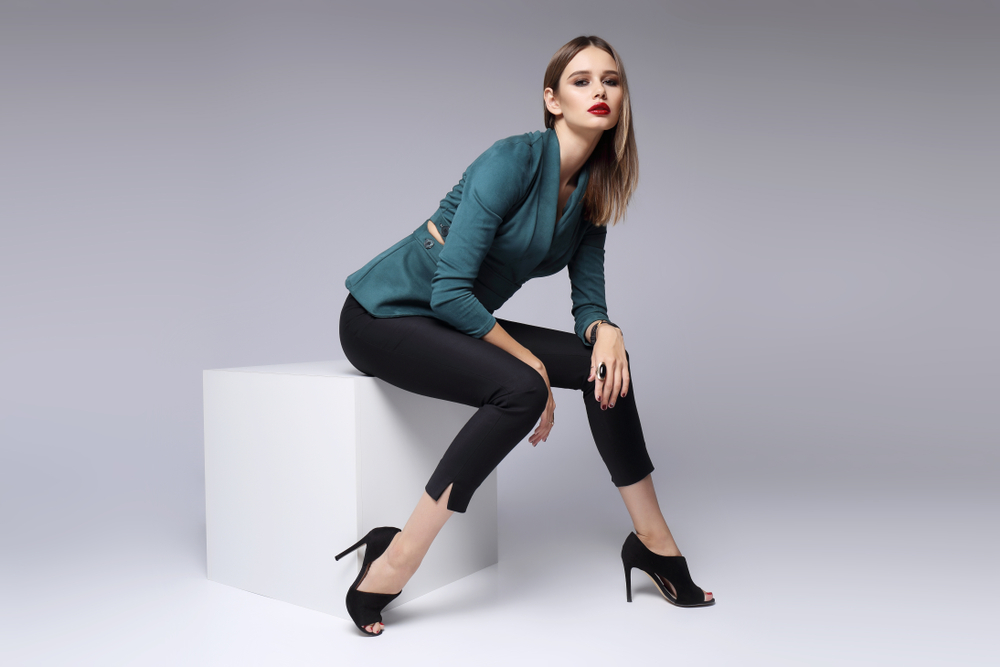
In the world of fashion and advertising, models are the essential elements that bring life to every photoshoot. Whether it's high-end fashion, editorial spreads, or commercial campaigns, models play a crucial role in capturing the attention of the audience and effectively conveying the desired message. But have you ever wondered what goes on behind the scenes? What are the secrets that make the world of modeling so glamorous? In this article, we will delve into the art and science of modelling , uncovering the secrets that make it all happen.
The Essence of Modeling: Artistic Expression
Modeling, at its core, is an artistic expression. It's about bringing a concept to life through body language, facial expressions, and poise. A successful model possesses the ability to communicate without words, using their physicality to convey emotions, ideas, and narratives. They are the canvas upon which fashion designers, stylists, and photographers bring their creative vision to reality.
From the moment a model steps foot on set, they become a part of the story that is being told. They embody the essence of the brand or the designer's collection, lending it credibility, appeal, and excitement. The art of modeling lies in the model's ability to adapt to different scenarios, to embody diverse characters, and to effortlessly transition from pose to pose, capturing the perfect shot every time.
The Power of Posing: The Science Behind the Art
While modeling is undoubtedly an art form, it is also a science. Behind every stunning photograph lies an intricate process of understanding the body's angles, lines, and proportions. Models and photographers work together to create visually appealing compositions that draw the viewer's eye to the desired focal points. These precise poses require meticulous attention to detail and an understanding of how the body interacts with light and shadow.
Angles play a vital role in modeling. The way a model positions their body, their limbs, and even their face can significantly impact the final image. Experienced models are well-versed in their best angles and have developed a keen sense of what works for them. They know how to elongate their neck, arch their back, or create captivating lines with their limbs, all while maintaining a sense of poise and grace.
Lights, Camera, Action: The Technical Elements
In any photoshoot, lighting is one of the key technical elements that can dramatically enhance or ruin the final product. Professional models understand the importance of being aware of the lighting setup and how it affects their appearance. They know how to position themselves to make the most out of the lighting, whether it's natural or artificial.
Furthermore, models need to be adaptable when it comes to different styles of photography. Each genre requires a distinct approach to posing and expression. For fashion photography, the focus is often on the model's physique and their ability to showcase the clothing. Editorial shoots may require conveying a specific mood or capturing a story within a single frame. Commercial campaigns typically focus on relatability, as models represent the target audience. Understanding these nuances allows models to adapt their skills accordingly and deliver the desired result.
Frequently Asked Questions
Q1: How important is physical appearance in modeling?
A1: Physical appearance is undeniably important in the modeling industry. Although there's no exact standard, certain physical attributes, such as height, proportions, and facial features, often dictate who is deemed marketable. However, the industry is becoming more inclusive, embracing diversity, and celebrating uniqueness.
Q2: Can anyone become a model?
A2: While there is no universal answer to this question, anyone aspiring to become a model should possess certain qualities, such as confidence, resilience, and professionalism. Additionally, understanding the industry, networking, and developing a compelling portfolio are crucial steps towards pursuing a modeling career.
Q3: Are all photoshoots glamorous?
A3: Although the end results can be glamorous, the reality of photoshoots often involves long hours, challenging conditions, and repeated takes. Models need to maintain their composure and professionalism throughout, even when faced with discomfort or demanding requirements.
Q4: Is there an age limit for modeling?
A4: The modeling industry encompasses various segments, including fashion, commercial, and mature modeling. While age restrictions may exist in some sectors, others actively seek diverse age ranges to cater to different target markets. Age should not be seen as a barrier to pursuing a modeling career.
Q5: How can I start a career in modeling?
A5: Starting a career in modeling requires dedication, perseverance, and a proactive attitude. It's essential to research reputable agencies, build a strong portfolio with professional photographs, and attend castings and auditions to gain exposure. Networking, seeking guidance from experienced professionals, and continuously improving your skills are also crucial steps towards success.
Modeling is a captivating blend of art and science. It requires models to master the subtle nuances of body language, understand photography techniques, and work seamlessly with a diverse range of industry professionals. Behind the glamorous facade lies a world of hard work, dedication, and continuous learning. So, the next time you admire those captivating images and the models who bring them to life, remember that there's more to it than meets the eye.
Other useful resources
- https://en.wikipedia.org/wiki/Category:Models_by_modeling_agency
- https://en.wikipedia.org/wiki/Category:Modeling_agencies
- https://www.planetmodelphoto.com/models/modeling/usa/charlotte/nc-north-carolina
- https://www.planetmodelphoto.com/models/modeling/usa/wilmington/nc-north-carolina